An Ad for Simon... and Why We Make Movies
I made an ad for OpenArt's Ad Awards, and this process was a critical experience for understanding where GenAI media and creativity are going. I was testing a new way to make things, and I wanted to bring something to life that was very meaningful to me.
There were two reasons for doing this. The first was to test a multi-agentic system with two Claude Opus 5.5 chats, connected to OpenArt and ElevenLabs through MCPs, with a shared workspace brain to keep them aligned. The second was because creativity comes from meaning and passion, and I wanted to make something for Simon, my dog.
The film is called SIMON. I mixed real footage of him with GenAI animation for the things I couldn't film. For the ad, I created a fictional senior dog adoption brand called Omenho.
1. Making media is becoming more enjoyable.
I have worked a lot in media creation and interactivity, and I can tell you making media is hard and can often be painful. But as the tools have gotten better, I've found the experience of creating media much more enjoyable!
When you're making something that means something to you, the experience itself can become part of the entertainment. This whole project was hard in its own way, but it was far far more enjoyable than I would have expected through my old workflow.
This is why I'm very bullish on these GenAI media companies. If they can make the process enjoyable and shrink the distance between the idea and a good draft, I think we're going to see a tidal wave of people bringing ideas to life. Sometimes just being able to tool around and make things will be enough for users. I could see a lot of engagement on these platforms because of that.
Roblox gives people tools to create their own experiences, alongside the experiences they can play. I think there's a lot for GenAI media companies to learn from that.
2. Systems of creative work are changing.
I've been excited by what Opus 5.5 can do with visual code editing and editing in general. In my experience, Claude also has excellent design taste and can be a really good peer and collaborator on a creative project.
So I built a special system for this project. I created two chats.
The first was an Opus 5.5 chat on my Mac Mini, and it owned the visual media layer. I connected it to OpenArt's MCP and did my visual work there. That chat created the picture edit, and there were a few times when I had it work overnight to make different cuts. I could also access it from my main computer, which made it easy to interact with.
The second Opus 5.5 chat ran on my main computer and owned audio, research, and contest alignment. I spent some time setting up the ElevenLabs MCP, which took more work than connecting OpenArt. Then I could work on voiceover, music, and sound design in chat.
At the same time, that second chat would do research, check the contest requirements, work with my personal agents to gather assets, and handle other things that came up.
I then set up a shared Google Drive folder that both chats could access. They communicated through a shared document, exchanged assets, and checked each other's work to help keep the picture and sound aligned. I directed both chats and gave notes throughout the process. Eventually, they worked together to merge the picture cut and the sound layer.
I was essentially setting up picture and sound departments, then directing them through chat. Having that shared workspace meant both could work from the same notes and assets while I kept making the creative decisions.
3. Why do we make things?
Yes, I was testing this process. I was also doing this to make something for Simon.
We adopted him a few years ago when he was 8 years old. We knew what we were getting into when we adopted an older dog, and we immediately came to love him. I wanted to eventually make something for him, to immortalize him in a special way. I love my dog. I want to share Simon's story with my friends. I want him to always be remembered.
I don't expect to win the contest. I'm going up against teams and AI animators who spend their lives making this media. Early in the cut, there were even points when I wondered why I was doing this.
But wanting to make this for Simon made me push ahead and bring it to life. It's not perfect, but because of what it means to me, I'll put it out and show it to people. Like I'm doing here right now.
I showed the finished version to someone, and they got very emotional about it. That made everything worth it, and I want to do this again.
In Hollywood, as a producer, we often focus on projects that MEAN SOMETHING to us. Maybe there's something powerful in the message, or something we want to show the world. That gives us a reason to push ahead, sometimes against impossible odds, and find a way to bring the film to life.
People will tell us it's not a good idea, or they disagree with the reasoning for it. We push ahead anyway. We finish it and wonder if it was worth it. Sometimes we find out that what felt deeply personal to us means something to the audience too.
Many filmmakers have worried that their movie would go nowhere or that the audience wouldn't get it, then discovered that people loved it. If they hadn't pushed ahead, they would never have found that out. When it means something, you find a reason to keep making it.
Countless people have ideas that mean something to them, but they've been held back by cost, time, and access. As those barriers come down, I think we'll see many more people bringing their ideas to life.
Too many people in AI think primarily about the product and the technical capabilities. The people using those products bring their own meaning, creative ideas, and vision. That's what will inspire them to take these tools and what they can do to new heights.
Stephen
Watch SIMON
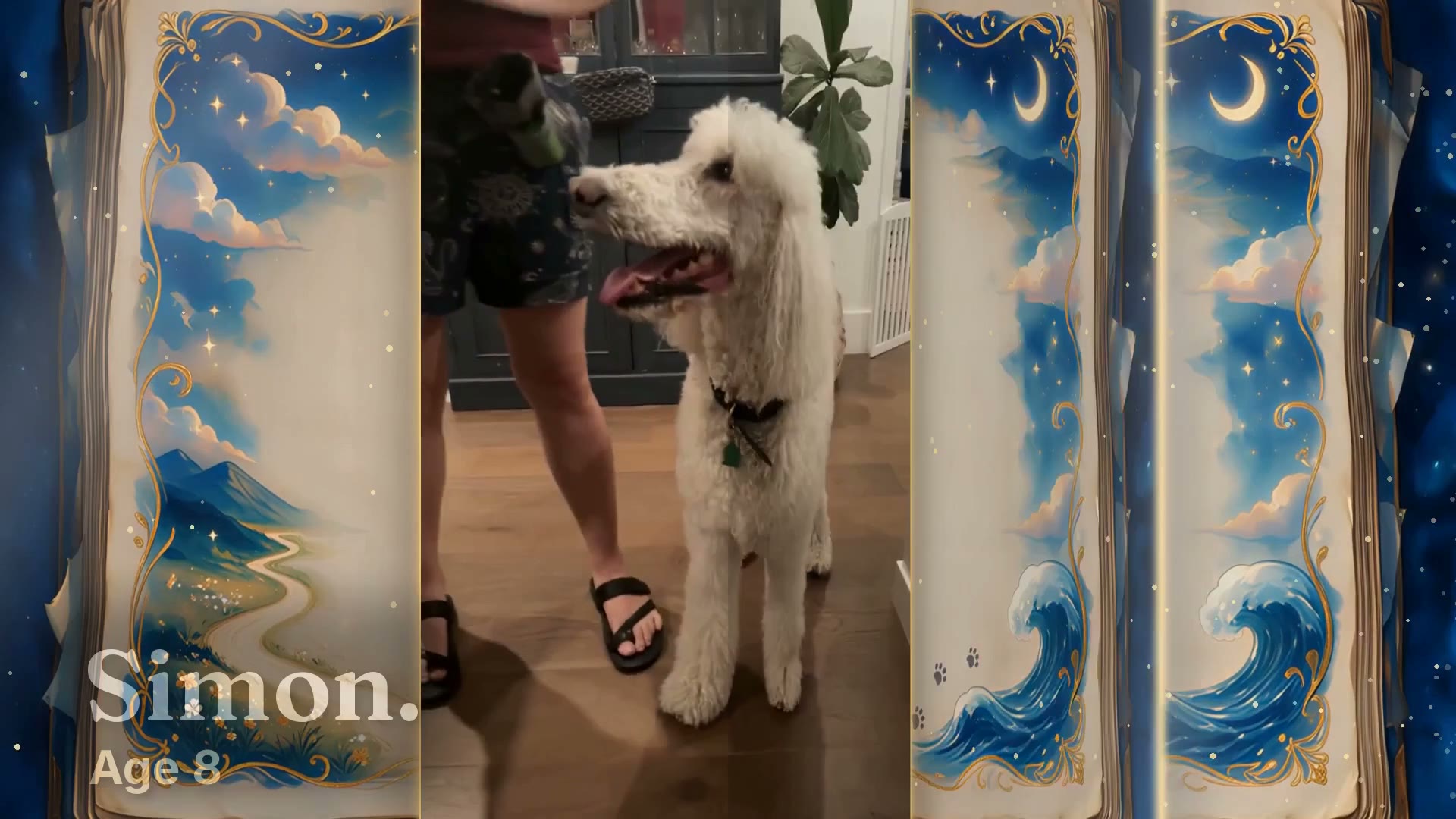
My 1:52 OpenArt Ad Awards entry for Omenho, a fictional senior dog adoption brand.