3D VFX. Client Grade. One Claude Chat.
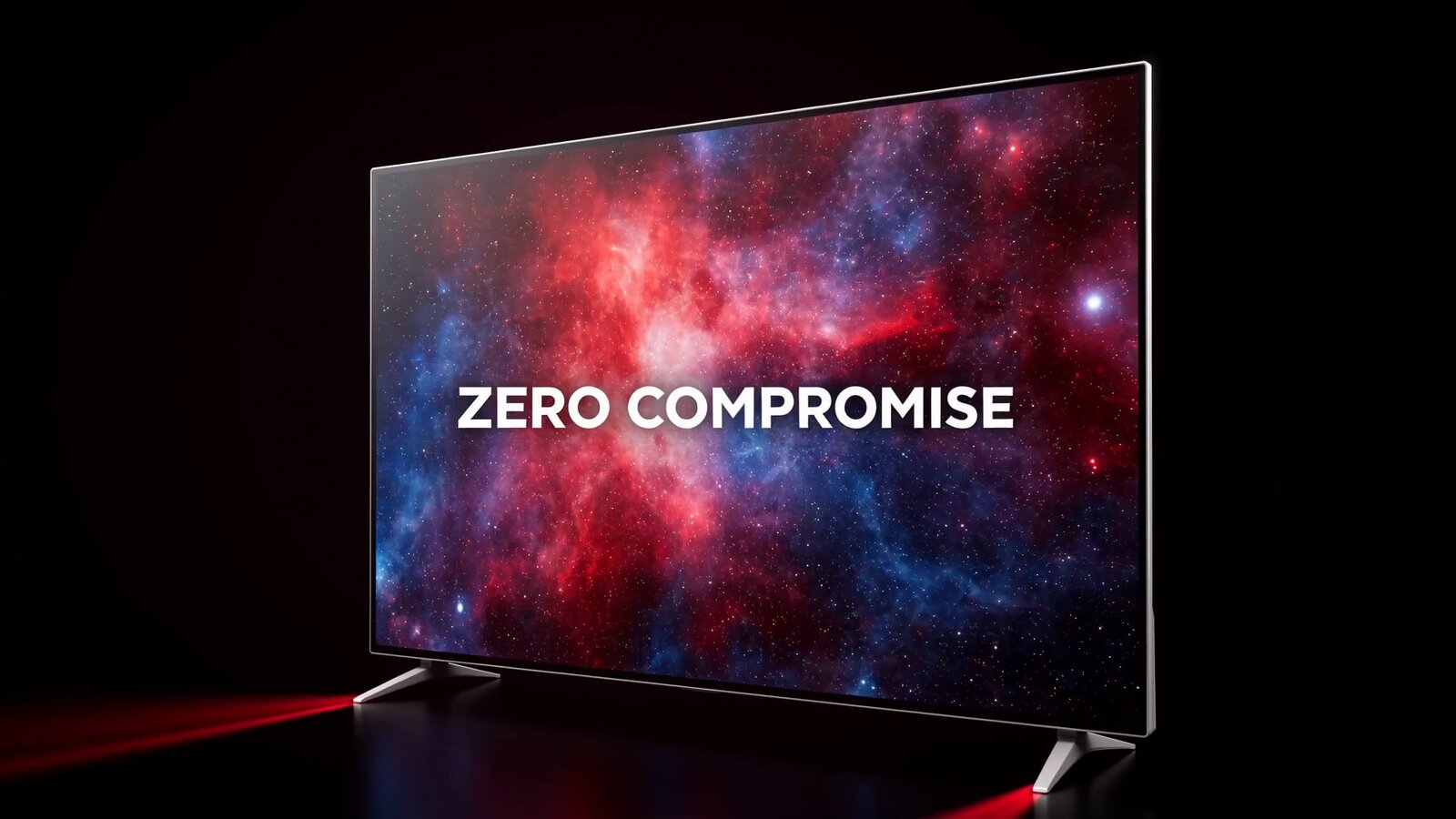
Can you make an amazing 3D VFX graphics project at a much higher level of quality for your budget, and a much faster turnaround than we usually have to do?
Yes you can!
Today is a test: creating a commercial spec with Claude Fable 5 connected to OpenArt's MCP.
Part of my daily creative tech work is working on new platforms, programs, and technology, testing out new workflows to find new ways for storytelling, creativity, and brand and client work.
A lot of the testing comes from clients wanting us to create projects doing 3D VFX work. Oftentimes clients have different products they're really excited about, but the marketing team or higher-ups haven't allocated enough budget to those projects to get an ad made. It's tough for them, because that means the product is going to be hamstrung, and they won't be able to get it out into the world as easily as they would a project with an appropriate budget.
Good news! I've solved this part of the equation for products that don't have appropriate budget allocation.
The workflow here can be pretty complex, but to make things simple and understandable, what I did is start a chat session with Fable 5. Then I connected it to OpenArt's MCP, which I have familiar experience with from other projects. I actually went in looking for OpenArt's "Director" feature, but that turned out to be a separate web-based tool rather than something in the MCP, so I drove the generation model directly through the chat instead. Having your chat session connected to an MCP is a way a lot of companies and teams are actualizing their work. Working through a chat session with a dedicated frontier AI that knows your system and knows the context of what you're doing leads to far more accurate and far higher quality results.
The video you see below is the result of conversations I had back and forth with Fable 5. Where AI really excels is it gets your V1 unbelievably fast. Where AI can run into issues, though, is actually making sure the product looks exactly right all the time. One of the ways to help a budget-conscious operation is to creatively think of how to show the product in a way where you're not fighting the system to keep context, but you're still getting all the bells and whistles and flash of a good modern commercial.
For the process, each revision here is a full regeneration, not an edit, so you're re-rolling the whole spot each time rather than nudging one piece of it. And text-in-video legibility is still a soft spot for this class of model. This was proof-of-concept work, not a client-ready deliverable, and treating it that way is exactly the point.
This spot I made here was designed for one thing. We show off the TV right away. We hang with it with all the bells and whistles, and then after that one shot, we don't see the TV again. No need to hold context on the specific product, because it's only one shot. Yet we still have that quality layer audiences are looking for to know whether they should invest in or engage with a product.
From a color scheme, movement, and action perspective, a big part of this was ideating on what the AI felt it could execute on best. It was having a conversation with it to find out where it felt its strengths could be and where it would struggle, to make sure you're moving your spot in a direction of strength and not weakness. With AI, the best possible capability out of it is thinking in a process state, not a final-result state like we do with traditional work.
For a lot of clients who are interested in work like this, this requires a big shift in how they think. Instead of settling on a final vision, they should settle on what's possible within a budget. Obviously we want to make sure the product and brand are shown exactly the way the client wants. But the power of AI is that it lets you get to 80% very quickly, for 20% of the work and cost. It's that last 20% of the work where the real trickiness gets in.
For GenAI media, focus in on not the final result, but what's possible with the resources you have. You'll have a far more successful experience, and you'll find far more value in the tooling and creativity that come with the process.
← All posts