
Logline AI alpha. A user enters a one-sentence logline. The platform generates story, characters, world, visuals, and a web-based pitch deck.
In Hollywood, building a pitch deck takes a filmmaker one to six months, hundreds to thousands of dollars in design fees, and a real chance the result still misses. I co-founded Logline AI to compress that to thirty seconds.
I have produced eight feature films and a dozen-plus commercials over a fifteen-year career. The pitch deck is the most underrated bottleneck in the entire film industry. It is the thing every executive asks for, the thing every filmmaker dreads making, and the thing that decides whether a project moves forward or dies on a hard drive.
A professional pitch deck takes one to six months to build. It eats hundreds to thousands of dollars in graphic-designer fees, with no guarantee the designer is reliable or the result is on-brief. By the time the deck is ready, the executive has often moved on. Speed and quality are at war. Independent filmmakers usually lose.
Generative AI changed the math. In 2023 the tools to fix this finally existed, but no one had assembled them into a workflow a filmmaker could actually use. So we did.
Logline AI was a web platform that turned a single sentence into a complete pitch deck. The user typed a logline. The platform generated a fully realized creative world (story, characters, tone, look, world rules, filmmaker statement, even episode breakdowns), then generated original artwork tied to that world, then assembled everything into a polished Web 2.0 pitch deck with the option to export as PDF.
First draft in roughly thirty seconds. From there the filmmaker could edit, rewrite, regenerate, and direct, treating the AI output as a foundation rather than a finish line.

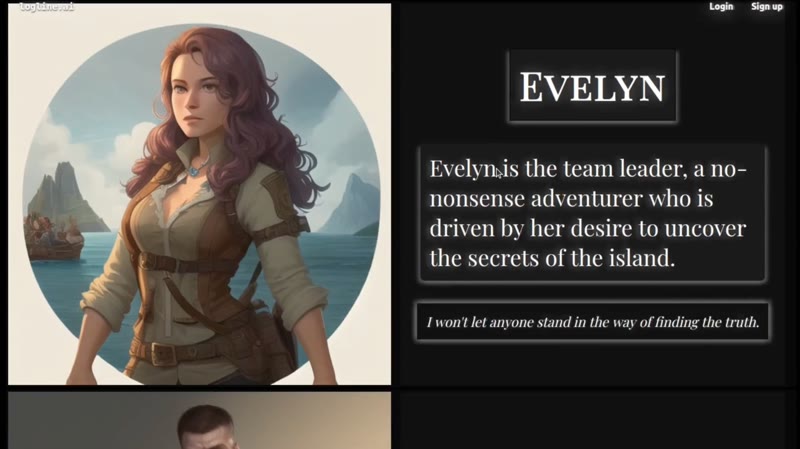

The product was an orchestration problem more than a single-model problem. We chained multiple generative systems into one workflow:
The lesson I took out of Logline AI: in AI media, the product is the pipeline. Picking the right model matters less than orchestrating models cleanly, designing prompts for the specific creative output you want, and building an editor strong enough that the human stays in charge. Everything I do now in AI production, including work at Sawhorse and the Microsoft AI Persona pipeline, traces back to what we built here.
Within twelve months, Logline AI was in front of decision-makers across the industry:
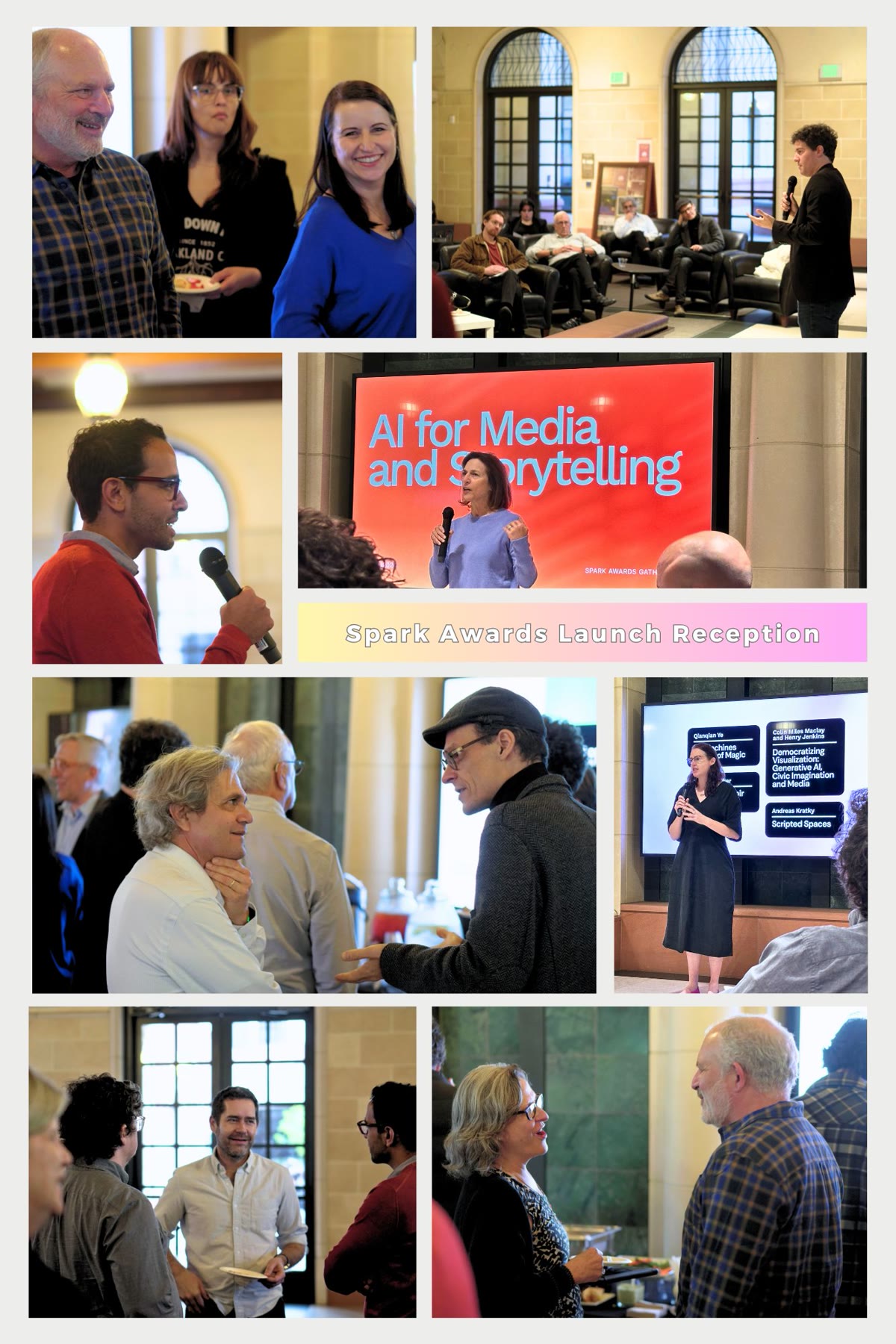
Logline AI received institutional funding through the USC Spark Award and generated strong interest from across the entertainment industry. Development paused in 2025 due to a co-founder's medical leave. The technology and the team's learnings live on in Stephen's current AI production work, including the pipelines built for Microsoft and his work at Sawhorse Productions.
The same instinct to build, not just plan, showed up outside the core product. In a 24-hour hackathon, we shipped Metrall, an AI local-news application that pulled, summarized, and surfaced community news. It ran on a retrieval-augmented stack: LlamaIndex and Pinecone for retrieval, OpenAI for generation, and LangChain to tie the workflow together.
It is a small build next to Logline, but it is the clearest proof of a habit that matters in AI work: when an idea is worth testing, I would rather ship a working version in a day than write a deck about it.